Ahmedabad
+916356101134
+916356101134

foundation bolt

6814772a5d263414004dd4a4 Card 2

product image
FOUNDATION BOLT

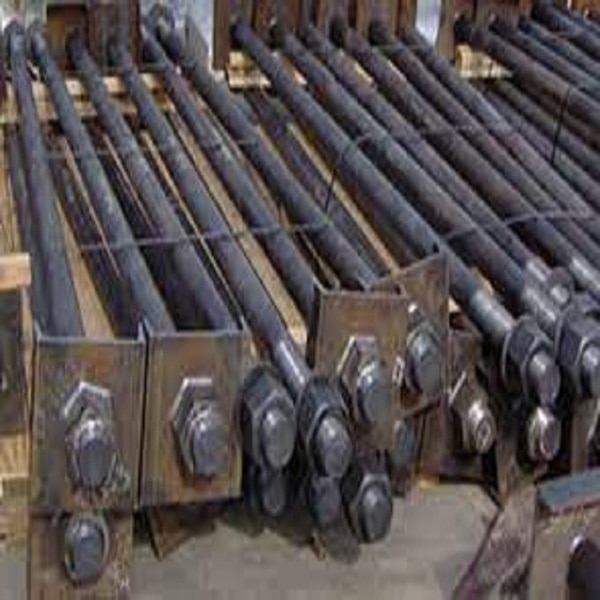
DIN 529 is a German standard that specifies the technical requirements for foundation bolts used in construction. These bolts are used to anchor structures to concrete or masonry foundations. The standard covers specifications for size, strength, material, and other properties of foundation bolts. The purpose of the standard is to ensure safety and reliability in the design and use of foundation bolts. The technical specifications of DIN 529 foundation bolts include the following: Size: The standard specifies the nominal size and thread size of the foundation bolts. Strength: The bolts must meet specified minimum tensile strength and yield strength requirements. Material: The bolts can be made of carbon steel, alloy steel, or stainless steel. The standard specifies the chemical composition and mechanical properties of each type of material. Surface finish: The surface of the foundation bolts must be free from defects such as cracks, pits, and rust. Marking: The bolts must be marked with the manufacturer's name, trade mark, or symbol, as well as the size and material grade. Testing: The standard requires that foundation bolts be tested for compliance with the specified requirements, including tensile strength and yield strength tests. These are the main technical specifications of DIN 529 foundation bolts. The standard also includes additional requirements and recommendations for the design and use of foundation bolts. The chemical composition of DIN 529 foundation bolts depends on the type of material used. The standard allows for three types of material: carbon steel, alloy steel, and stainless steel. Carbon steel: The standard specifies the minimum and maximum limits for the carbon content, manganese content, phosphorus content, and sulfur content of carbon steel foundation bolts. Alloy steel: The standard specifies the minimum and maximum limits for the carbon content, manganese content, phosphorus content, sulfur content, and other alloying elements of alloy steel foundation bolts. Stainless steel: The standard specifies the minimum and maximum limits for the chromium content, nickel content, molybdenum content, and other alloying elements of stainless steel foundation bolts. It is important to note that the exact chemical composition of foundation bolts may vary depending on the manufacturer and the specific application. The chemical composition requirements specified by the standard are intended to ensure that the foundation bolts have the necessary strength, toughness, and corrosion resistance for their intended use. The mechanical properties of DIN 529 foundation bolts are specified by the standard to ensure that the bolts have the necessary strength, toughness, and ductility for their intended use. The main mechanical properties include: Tensile strength: The minimum tensile strength required for foundation bolts is specified by the standard. The tensile strength is the maximum load that a bolt can withstand in tension before breaking. Yield strength: The minimum yield strength required for foundation bolts is specified by the standard. The yield strength is the load at which the bolt begins to permanently deform. Elongation: The minimum elongation required for foundation bolts is specified by the standard. Elongation is a measure of the ductility of the bolt, or its ability to deform without breaking. Hardness: The maximum hardness required for foundation bolts is specified by the standard. Hardness is a measure of the resistance of the bolt to indentation and wear. These are the main mechanical properties of DIN 529 foundation bolts. The standard also includes additional requirements and recommendations for the design and use of foundation bolts, including specifications for testing procedures and methods of inspection. DIN 529 foundation bolts are used to anchor structures to concrete or masonry foundations. They are commonly used in construction projects such as buildings, bridges, and towers, where a secure connection to the foundation is required. The bolts are installed by drilling holes in the foundation and setting the bolts in place. The nuts and washers are then tightened to secure the structure to the foundation. The use of foundation bolts is important for ensuring the stability and safety of structures. The bolts provide a secure connection between the structure and the foundation, resisting horizontal and uplift forces that can cause the structure to move or tip over. The standard specifications for size, strength, material, and other properties of DIN 529 foundation bolts ensure that the bolts are suitable for their intended use and provide reliable performance. The manufacturing process of DIN 529 foundation bolts typically involves the following steps: Raw material preparation: The raw material (carbon steel, alloy steel, or stainless steel) is cut to the appropriate length and heated to the required temperature for forging. Forging: The heated raw material is forged into the desired shape using hammers, presses, or forging machines. The forging process improves the strength and ductility of the material. Heat treatment: The forged bolts are heat treated to improve their mechanical properties, such as tensile strength and yield strength. The heat treatment process may involve quenching and tempering, or other heat treatment methods. Machining: The forged bolts are machined to their final size and shape, including the threading of the shank. Surface finish: The surface of the bolts is finished to remove any defects and improve corrosion resistance. This may involve cleaning, pickling, and passivating, or other surface finish treatments. Testing: The bolts are tested to ensure that they meet the specifications set forth by the DIN 529 standard, including tensile strength, yield strength, and other requirements. Marking: The bolts are marked with the manufacturer's name, trade mark, or symbol, as well as the size and material grade. This is a general outline of the manufacturing process for DIN 529 foundation bolts. The exact manufacturing process may vary depending on the manufacturer and the specific requirements of the application. The standard specifications ensure that the foundation bolts have the necessary strength, toughness, and corrosion resistance for their intended use. The DIN 529 standard specifies the requirements for suitable nuts and washers to be used with foundation bolts. The nuts and washers must meet the following requirements: Material: The nuts and washers must be made of a material that is compatible with the foundation bolt, such as carbon steel, alloy steel, or stainless steel. Strength: The nuts and washers must have sufficient strength to resist the loads imposed by the foundation bolt and the structure. Finish: The nuts and washers must have a surface finish that is compatible with the foundation bolt, and that provides adequate protection against corrosion. Size: The nuts and washers must be of a suitable size to fit the foundation bolt, with the correct diameter, thickness, and pitch. Marking: The nuts and washers must be marked with the manufacturer's name, trade mark, or symbol, as well as the size and material grade. It is important to use nuts and washers that are specified by the standard and that meet these requirements to ensure that the foundation bolts provide reliable performance. The use of unsuitable nuts and washers can compromise the strength and stability of the foundation bolts, and may lead to failure or damage to the structure. DIN 529 is a German standard for foundation bolts, and there are other standards that specify the requirements for foundation bolts in different countries and regions. Some alternative standards to DIN 529 include: ASTM A307 - American Society for Testing and Materials (ASTM) standard for carbon steel bolts and studs. BS 3692 - British Standard for high-strength steel bolts and nuts. JIS B 1170 - Japanese Industrial Standard for steel bolts, nuts, and washers. ISO 898-1 - International Organization for Standardization (ISO) standard for mechanical properties of fasteners made of carbon steel and alloy steel. AS/NZS 4100 - Australian/New Zealand Standard for high-strength structural bolts. These are some of the alternative standards for foundation bolts that are used in different countries and regions. The exact specifications and requirements of these standards may differ from DIN 529, and it is important to use the appropriate standard for the intended application and location. The use of alternative standards may require the use of different sizes, materials, and types of nuts and washers, and it is important to ensure that the alternative standards are compatible with the foundation bolts and the structure.

6814772a5d263414004dd4a4 Card 2

product image
FOUNDATION BOLT

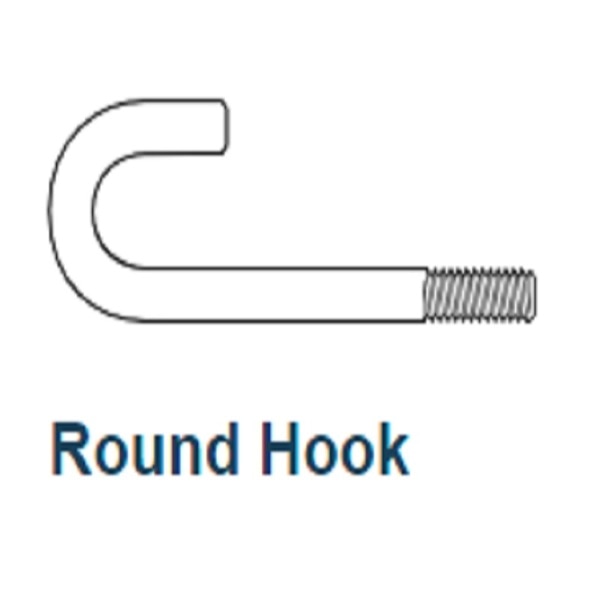
J-Type foundation bolts are heavy-duty anchors used in concrete foundations to secure structural steel elements. They have a J-shaped hook on one end and a threaded rod on the other end. The J-hook is embedded into the concrete and the threaded rod is attached to the structural steel. J-Type bolts come in various sizes and lengths and are made of high-strength materials such as carbon steel or stainless steel to provide a secure and stable connection. They are commonly used in construction, bridge building, and other industrial applications. J-Type foundation bolts are commonly used in the following applications: Construction: To secure steel beams, columns, and other structural elements in concrete foundations for buildings, bridges, and other structures. Mining: To secure heavy machinery and equipment in underground mines. Oil and Gas: To anchor drilling rig platforms, pipelines, and other equipment in offshore and onshore locations. Manufacturing: To secure heavy machinery, conveyors, and other equipment in industrial plants. Transportation: To secure bridge decks, highway barriers, and other infrastructure components. The J-Type bolts offer high-strength and stability, making them suitable for applications where safety and reliability are crucial. They are also relatively easy to install and maintain. J-Type foundation bolts come in various dimensions, including: Length: Ranges from 6 inches to 72 inches. Diameter: Ranges from 1/2 inch to 4 inches. Thread size: Ranges from 1/2 inch to 4 inches. Material: Carbon steel, stainless steel, and other high-strength materials. Finish: Galvanized, black oxide, and other finishes for protection against corrosion. The dimensions of the J-Type foundation bolts are determined by the specific application and the load requirements. It is important to select the appropriate length, diameter, thread size, material, and finish for the intended use to ensure a secure and stable connection. J-Type foundation bolts can have various coatings for protection against corrosion, including: Galvanized: Zinc coating that provides good protection against rust and corrosion. Black Oxide: A black, corrosion-resistant coating that is ideal for indoor applications. Hot-Dip Galvanized: A zinc coating that is melted onto the surface of the bolt for improved protection against corrosion. Stainless Steel: A corrosion-resistant material that provides a sleek appearance and long-lasting protection. Powder Coating: A decorative and protective finish applied as a dry powder, which is then cured to a hard, protective finish. The choice of coating depends on the specific application and environmental conditions, with some coatings providing better protection against corrosion in harsh or outdoor environments. It is important to select the appropriate coating to ensure a secure and stable connection, while also protecting against rust and corrosion over time. J-Type foundation bolts are manufactured to specific standards and specifications to ensure quality, safety, and reliability. Some of the specifications that may apply include: ASTM A307: A standard specification for carbon steel bolts, studs, and threaded rods. ASTM A325: A standard specification for heavy hex structural bolts. ASTM A490: A standard specification for alloy steel bolts and studs. ASTM F1554: A standard specification for anchor bolts designed to anchor structural supports to concrete foundations. SAE J429: A standard specification for grade 5 and grade 8 bolts. These specifications set the minimum standards for material composition, strength, dimensional tolerance, and other properties of J-Type foundation bolts. It is important to ensure that the bolts meet the appropriate specifications for the intended application to ensure safety and reliability. In India, J-Type foundation bolts are manufactured to the following standards: IS 3757: Specification for high-strength structural bolts with large hexagonal heads. IS 1367-3: Specification for technical supply conditions for threaded steel fasteners, part 3: bolts, screws, studs and nuts with specified property classes—coarse thread. IS 1367-6: Specification for technical supply conditions for threaded steel fasteners, part 6: set screws and similar threaded fasteners not under tensile stresses. IS 1367-7: Specification for technical supply conditions for threaded steel fasteners, part 7: taps, dies and gauges. IS 1363-1: Specification for hexagon head bolts, screws and nuts, part 1: products of property classes 8.8 and 10.9. These Indian standards set the minimum standards for material composition, strength, dimensional tolerance, and other properties of J-Type foundation bolts in India. It is important to ensure that the bolts meet the appropriate Indian standards for the intended application to ensure safety and reliability. J-Type foundation bolts are typically manufactured through the following process: Steel rod: High-strength steel rods are sourced and cut to the desired length. Forging: The steel rods are then subjected to forging, which involves heating and shaping the rods into the J-shape hook. Threading: The threaded end of the rod is created through a threading process, which involves cutting threads onto the rod. Heat Treatment: The bolts are then subjected to heat treatment to improve their strength and durability. Coating: The bolts are then coated with the desired finish, such as galvanized, black oxide, or stainless steel, for protection against corrosion. Inspection: The bolts are then inspected to ensure that they meet the desired specifications, such as dimensional tolerance and strength. Packaging: The bolts are then packaged and ready for shipment. The manufacturing process of J-Type foundation bolts requires skilled workers, specialized equipment, and a controlled environment to ensure quality, safety, and reliability. The bolts must meet strict standards to ensure that they are suitable for their intended applications. J-Type foundation bolts are typically tested to ensure that they meet the desired specifications and standards, including strength, dimensional accuracy, and resistance to corrosion. Some common tests include: Tensile Testing: To measure the strength and resistance of the bolts under tension. Hardness Testing: To measure the hardness of the material, which is a measure of its resistance to wear and deformation. Dimensional Accuracy Testing: To verify that the bolts meet the desired specifications for length, diameter, thread size, and other dimensions. Corrosion Testing: To test the resistance of the bolts to corrosion and rust, including salt spray tests and humidity tests. Fatigue Testing: To test the resistance of the bolts to repeated loading, which is important in applications where the bolts are subjected to frequent or cyclic loads. These tests are performed in a controlled laboratory environment and are subject to strict quality control procedures to ensure accuracy and reliability. The results of the tests are used to verify that the bolts meet the desired standards and specifications, and to identify any areas for improvement in the manufacturing process.

6814772a5d263414004dd4a4 Card 2

product image
FOUNDATION BOLT

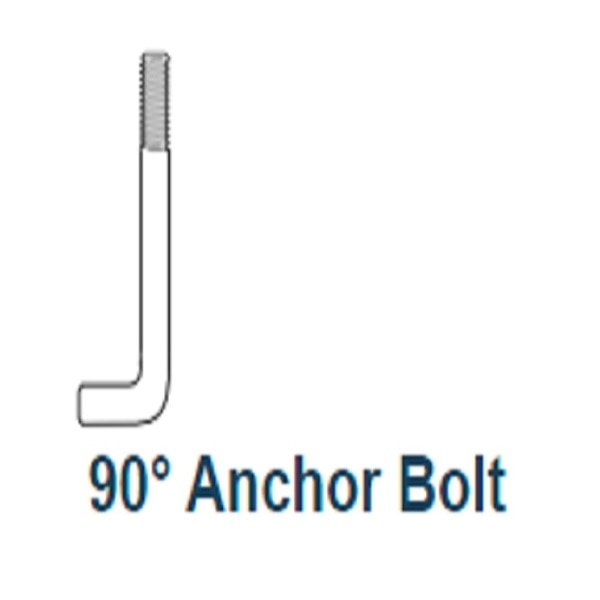
An L-Type Foundation Bolt is a type of anchor bolt that is used to secure objects or structures to concrete or masonry surfaces. It is commonly used in construction, engineering, and industrial applications. The L-shape design of the bolt provides stability and prevents rotation, making it suitable for heavy-duty applications. The bolt consists of two main parts: the threaded end, which is embedded into the concrete, and the plate end, which is attached to the structure. The plate end is typically made from steel and has a triangular shape that provides additional stability. The threaded end is usually made from a corrosion-resistant material, such as stainless steel, to ensure long-lasting durability. To install an L-Type Foundation Bolt, the threaded end is inserted into a pre-drilled hole in the concrete. The hole should be slightly larger than the diameter of the bolt to allow for easy insertion. A washer and nut are then attached to the threaded end to secure it in place. The structure is then attached to the plate end of the bolt using additional nuts and washers. L-Type Foundation Bolts are commonly used in applications such as securing steel beams to concrete foundations, attaching machinery to concrete floors, and securing signposts to concrete or masonry surfaces. They are suitable for outdoor use and can withstand harsh weather conditions, making them a durable and long-lasting solution for many construction and industrial applications. In conclusion, L-Type Foundation Bolts are a type of anchor bolt that provides stability and prevents rotation in heavy-duty applications. They are commonly used in construction, engineering, and industrial applications and are a durable and long-lasting solution for securing objects or structures to concrete or masonry surfaces. Here is a list of some of the commonly used mechanical standards for L-Type Foundation Bolts: ASTM A307 - Standard Specification for Carbon Steel Bolts, Studs, and Threaded Rod 60 000 PSI Tensile Strength ASTM A325 - Standard Specification for Structural Bolts, Steel, Heat Treated, 120/105 ksi Minimum Tensile Strength ASTM A490 - Standard Specification for Structural Bolts, Alloy Steel, Heat Treated, 150 ksi Minimum Tensile Strength ISO 898-1 - Mechanical Properties of Fasteners Made of Carbon Steel and Alloy Steel DIN 6914 - High Strength Structural Bolting Assemblies for Preloading JIS B1180 - Steel Socket Head Cap Screws AS/NZS 4676.2:2010 - High Strength Structural Bolts and Assemblies Note: This list is not exhaustive and may vary depending on the specific application and jurisdiction. It is always recommended to consult with relevant codes and standards before selecting and installing L-Type Foundation Bolts. L-Type Foundation Bolts may require coatings for protection against corrosion, depending on the specific application and environment. Here are some commonly used coatings for L-Type Foundation Bolts: Zinc Plating - provides a barrier against corrosion in mild to moderate environments. Galvanization - provides a protective zinc coating over the entire surface of the bolt. Hot-Dip Galvanization - provides a thicker and more durable zinc coating compared to simple galvanization. Stainless Steel - provides excellent corrosion resistance, but may be more expensive. Epoxy Coating - provides a durable and protective barrier against corrosion, especially in harsh environments. Powder Coating - provides a protective and decorative finish to the bolt. Note: The specific coating requirements for L-Type Foundation Bolts may vary depending on the application and environment. It is always recommended to consult with relevant codes and standards, as well as the manufacturer, for specific coating requirements and recommendations.

Subcategory Tags

Phone Number

+916356101134

Mon-Thu: 10 AM - 2 PM • Fri: 3 PM - 7AM

Other Website Visit our other website
Address 27/2/A, PANCHJANYA ESTATE, B/H GUJARAT VEPARI MAHA MANDAL, NEAR ODHAV CIRCLE, ODHAV,AHMEDABAD

Ahmedabad, India, 382415